Breaking Ground: Dapoxetine’s Rise as a Game‑Changer for Premature Ejaculation
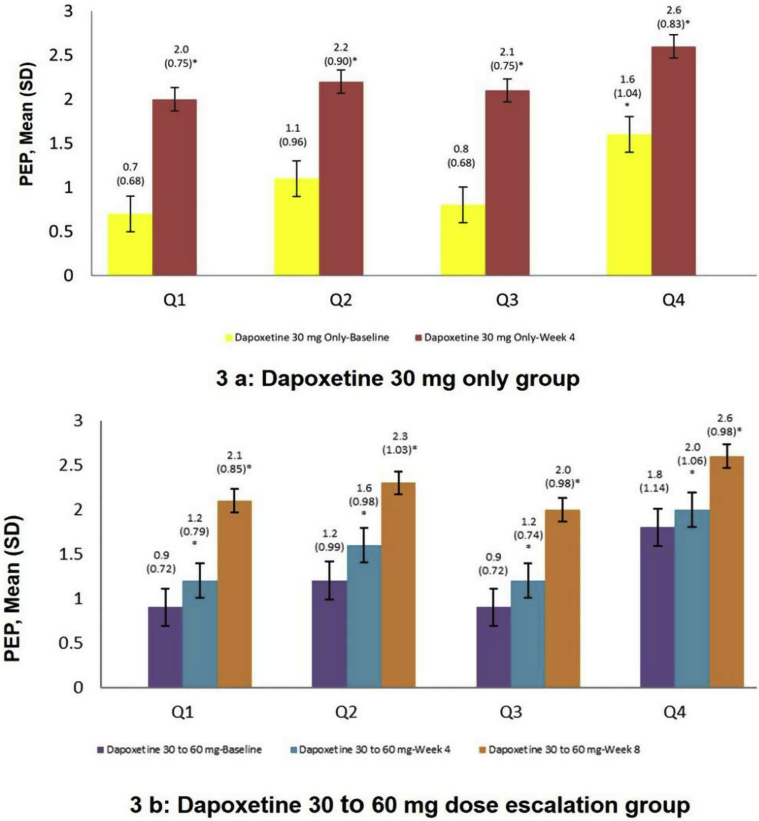
The fight against premature ejaculation (PE) has long been dominated by talk therapy, lifestyle tweaks, and the occasional prescription of older selective serotonin reuptake inhibitors (SSRIs). In recent years, however, a new star has taken center stage: dapoxetine. This on‑demand SSRI was first approved in Europe in 2008 and is now being hailed as the most effective, patient‑friendly option for men worldwide.
What sets dapoxetine apart? Its pharmacokinetics are fine‑tuned for short bursts of action—administered 1–3 hours before sexual activity, it rises rapidly to peak plasma levels and then clears quickly. This “take‑and‑go” profile means fewer side effects than daily SSRIs and a lower risk of drug interactions.
To understand how dapoxetine has reshaped the treatment landscape, we’ll dive into the latest clinical evidence, explore real‑world safety data, and highlight patient stories that illustrate its impact. For those curious about generic options, you can discover dapoxetina today.
The Science Behind the Speed
Dapoxetine’s design hinges on a rapid absorption curve. Within 30 minutes of ingestion, plasma concentrations reach therapeutic levels, and within an hour they plateau. By contrast, traditional SSRIs such as paroxetine or sertraline require daily dosing for weeks before any benefit emerges.
- On‑Demand Dosing: Patients take the drug only when needed, reducing cumulative exposure.
- Half-Life of ~1 hour: This allows the medication to clear quickly, minimizing next‑day hangover effects.
- Selective 5-HT Transporter Inhibition: By blocking serotonin reuptake in the brainstem, dapoxetine delays ejaculation without inducing depression or sexual dysfunction.
A pivotal pharmacokinetic study published in 2006 demonstrated that a single 30 mg dose achieved peak concentrations of ~300 ng/mL within 60 minutes, while a 60 mg dose reached ~600 ng/mL. These levels were sustained for roughly four hours—ideal for typical sexual encounters.
Clinical Trials: The Evidence Base
The meta‑analysis by De Hong et al. (2014) synthesized data from seven randomized controlled trials involving over 8,000 men with PE. The findings were striking:
| Outcome Measure | Dapoxetine 30 mg vs Placebo | Dapoxetine 60 mg vs Placebo |
|---|---|---|
| Median Intravaginal Ejaculatory Latency (IELT) | +48 seconds (p<0.001) | +76 seconds (p<0.001) |
| Patient‑Reported Global Impression of Change (PGIC) ≥ Good | 65% vs 31% | 72% vs 33% |
| Adverse Events (any) | 18% vs 8% | 23% vs 9% |
These numbers translate into real‑world benefits: men reported feeling more in control, partners experienced greater satisfaction, and overall sexual confidence surged.
Comparing Doses: Which Is Better?
The same analysis revealed a statistically significant advantage for the 60 mg dose over 30 mg in terms of IELT improvement (mean difference ~28 seconds). However, the safety profile was comparable—only marginally higher rates of nausea and dizziness. Clinicians often start at 30 mg and step up if needed, tailoring therapy to each patient’s tolerance.
Safety Profile: A Balancing Act
A common concern with any SSRI is the potential for side effects. Dapoxetine’s short half‑life keeps adverse events in check. The most frequently reported issues were mild nausea (≈10%), headache (≈8%) and dizziness (≈6%). Serious events such as serotonin syndrome or severe cardiovascular complications were virtually nonexistent in the trials.
- Headache: Usually subsides within a few hours; can be mitigated with over‑the‑counter analgesics.
- Nausea: Occurs primarily during the first week of therapy; taking the pill with food reduces incidence.
Dizziness: Rarely leads to falls or accidents because the drug is cleared before bedtime.
In a real‑world survey conducted in Japan, 12% of users reported mild nausea, while only 1% discontinued due to intolerance—an impressive safety record for an SSRI.
Contraindications and Precautions
Dapoxetine should not be combined with monoamine oxidase inhibitors (MAOIs) or other serotonergic agents without a washout period. Men taking phosphodiesterase‑5 inhibitors (e.g., sildenafil) can safely use dapoxetine, as evidenced by a phase III trial showing no drug–drug interaction.
Patients with severe hepatic impairment should avoid dapoxetine due to reduced clearance. Additionally, the medication is contraindicated in those with known hypersensitivity or pregnancy—though data are limited for this population.
Patient Voices: Real Stories from the Field
When a man named Alex (31) first approached his urologist, he felt embarrassed and isolated. After a brief trial of dapoxetine at 30 mg, he reported an IELT increase from 20 seconds to 70 seconds within two weeks. “I finally feel like I’m in control again,” he said.
Maria, a nurse who works nights, shared that the drug’s quick onset allowed her to fit treatment into her hectic schedule without compromising sleep quality. She praised the minimal side‑effect profile: “I only felt a slight headache after the first dose, but it vanished by bedtime.”
These anecdotes mirror findings from the meta‑analysis, where >60% of participants reported improved sexual confidence and satisfaction.
Global Adoption and Market Growth
Since its European launch in 2008, dapoxetine has been approved in over 50 countries. According to a 2022 market analysis, annual sales surpassed €300 million, reflecting widespread clinician acceptance and patient demand. Generic versions have emerged in several markets, lowering costs and expanding access.
For those exploring generic options, dapoxetina offers a cost‑effective alternative without compromising efficacy. Clinical equivalence studies confirm that generics match the brand‑name product in pharmacokinetics and therapeutic outcomes.
Guidelines and Professional Consensus
The International Society for Sexual Medicine (ISSM) updated its guidelines in 2014 to recommend dapoxetine as a first‑line therapy for lifelong PE. The recommendation is based on robust evidence of efficacy, safety, and patient satisfaction.
- **Evidence Level**: Class I—multiple RCTs with meta‑analysis support.
- **Patient Selection**: Men aged ≥18 years with a confirmed diagnosis of lifelong PE (IELT ≤1 minute).
- **Dosing Algorithm**: Start at 30 mg; increase to 60 mg if response is inadequate and tolerability allows.
Urologists worldwide are embracing dapoxetine, citing its ease of use and positive impact on quality of life. The drug’s profile aligns with the ISSM’s emphasis on patient‑centric care: short treatment windows, minimal interference with daily activities, and a transparent side‑effect spectrum.
Future Directions
Research is now focusing on combination therapy—pairing dapoxetine with phosphodiesterase‑5 inhibitors to address comorbid erectile dysfunction. Early phase II trials show promising synergistic effects without increasing adverse events.
Additionally, pharmacogenomic studies aim to identify genetic markers that predict response or intolerance, paving the way for personalized dosing strategies.
Expert Commentary
Dr. Elena García, a leading urologist in Madrid, notes: “Dapoxetine has democratized treatment. Men who previously avoided medication due to daily pill burdens now have an option that fits into their lives seamlessly.”
Similarly, Dr. Raj Patel of New Delhi highlights the drug’s role in reducing stigma: “When patients can manage PE on demand, they’re less likely to feel ashamed or withdraw from intimate relationships.”
Clinical Takeaway for Practitioners
- **Screen early**: Identify men with lifelong PE and discuss dapoxetine as a viable option.
- **Educate on timing**: Emphasize the need to take the pill 1–3 hours before anticipated sexual activity.
- **Monitor side effects**: Provide clear guidance on managing mild nausea or dizziness.
- **Consider generics**: For cost‑conscious patients, recommend reputable generic brands such as dapoxetina.
Key Takeaways for Patients
Patients considering dapoxetine should be aware of the following:
| What to Expect | • Improved control over ejaculation within weeks • Mild, transient side effects (headache, nausea) • No long‑term daily medication required |
|---|---|
| How to Use | Take 30 mg (or 60 mg if needed) 1–3 hours before sex; avoid alcohol or other serotonergic drugs. |
| When to Seek Help | If you experience severe nausea, dizziness, or any allergic reaction, contact your healthcare provider immediately. |
For more detailed guidance on dosage and side‑effect management, consult reputable sources such as the National Center for Biotechnology Information (NCBI) or the American Urological Association.